Graffiti Economies & Gamified Wagers: Creative Communities and Digital Play
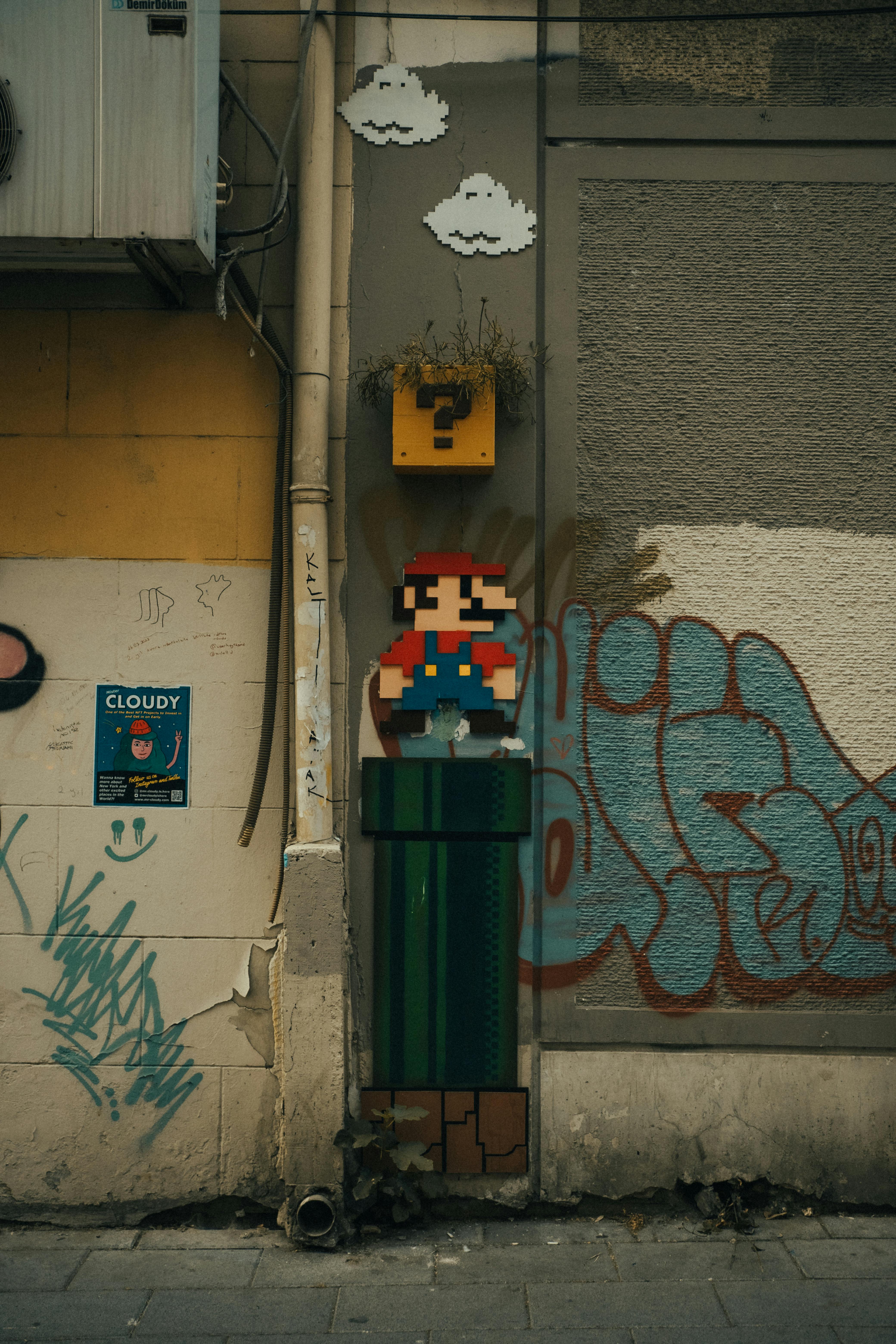
In back alleys sprayed with neon tags and on leaderboards lit up with casino animations, two seemingly distant cultures have started moving in a similar rhythm. The grassroots art world and the digital gambling space operate with their own codes, economies, and currencies; some driven by risk, others by expression. But when you zoom out, both offer something bigger: a model for how communities build value outside of formal institutions.
The Art of Reputation and Informal Trade
Graffiti has always had its own unspoken economy. Artists trade time, space, and exposure instead of cash. A well-placed tag or mural in a respected spot can lead to invitations, collaborations, or just quiet acknowledgment from those who matter. There’s no central ledger. No corporate promotion. The currency is style and placement, and the reward is status within a tight circle.
Most of it happens without permission and without profit. But don’t mistake that for randomness. Graffiti crews operate with structure. A newcomer doesn’t just throw paint on a wall and claim space. They earn it. Style gets critiqued. Territory gets negotiated. Influence grows through risk-taking and output.
What powers this mini economy is reputation. And once that gets established, it carries real weight. The reward isn’t always tangible, but it sticks. Your name rides on a train, your mark gets posted by someone you’ve never met. This kind of value doesn’t rely on dollars. It relies on visibility and network impact.
The Online Casino as a Creative Economy
Surprisingly, a similar pattern exists in the world of online casino games. Players chase more than just winnings. They build reputations across poker tables, blackjack tournaments, and community forums. The environment is part entertainment, part performance.
Take modern casino apps as an example. Some of the most active players don’t make headlines for high bets. They stand out for their consistent strategies, their ability to read patterns, or their participation in group chats that orbit the platform. Micro-wagers and in-game tools add a gamified element that keeps the loop going. It’s not just about luck. It’s about rhythm, style, and community-driven prestige.
This kind of play demands reliability from the platform itself. When users participate at this level, they expect smooth performance and a clean design. That’s why the platform’s integrity matters—because once the community invests in a shared digital space, trust becomes the only real currency.
Why Platform Quality Still Dictates Community Strength
Creative or competitive, a system built on digital interaction collapses without a dependable infrastructure. In the world of Online Casino gaming, trust is foundational—not just in gameplay mechanics but in everything that supports it, including withdrawals, fair play algorithms, and uptime.
Platforms like Betway have become widely recognized for maintaining these standards. Their casino game selection offers not only variety but also consistency, which is critical when players are deeply embedded in community-based routines. Whether it’s a late-night blackjack tournament or a casual roulette game shared among friends, the experience hinges on platform reliability.
The broader appeal of an online casino lies not just in the games themselves but in how they function within a trusted space. Communities emerge around dependable tools. When the technical side holds up, players can focus on interaction, strategy, and personal pacing instead of dealing with bugs or payment delays.
It mirrors what happens in creative scenes. A respected wall in a city isn’t just a place to paint—it’s a system that works. No one questions whether the concrete will hold the spray or whether the street will stay visible for long. That kind of stability is what draws communities in and lets them create freely.
How Micro-Economies Form in Both Spaces
Within both graffiti and casino ecosystems, smaller economies are constantly being built. They may not follow the rules of formal business, but they’re every bit as real to those participating in them.
In the graffiti world:
- Artists trade walls, gear, and access in return for help with larger pieces or shout-outs in crew networks.
- Sometimes, a well-known artist will bring a lesser-known name into a mural project, giving them indirect exposure that boosts their own reputation.
In the casino world:
- Streamers, reviewers, and strategy experts often collaborate to break down new games or platform updates, sharing insights across Discord or Reddit communities.
- Micro-bets and friendly side wagers often fuel content creation and viewer engagement, especially in the context of live casino tables and multiplayer games.
Both of these models depend on reciprocity. There’s rarely a written contract. But the value is there, exchanged in visibility, participation, and earned credibility.
Digital Play and Urban Art Speak the Same Language
At the core of these worlds is interaction. Neither graffiti artists nor digital gamblers wait for permission to participate. They claim space by showing up and creating value where none existed before. Whether it’s a bold throw-up across an abandoned storefront or a strategic play that flips the flow of a live blackjack table, both actions create ripple effects. People notice. Communities respond.
Creative risk and personal signature matter in both spaces. So does consistency. And while one operates in analog alleys and the other in digital rooms, both are examples of how decentralized groups build their own systems, their own rules, and their own economies.
The difference lies in where those systems play out. But the drive—the impulse to build something meaningful in a space controlled by no one but shaped by everyone—is exactly the same.